How to Choose an eFoil
There is no single right board — only a board that is right for a particular rider, at a particular weight, on a particular body of water. Here is how to narrow the field with confidence.
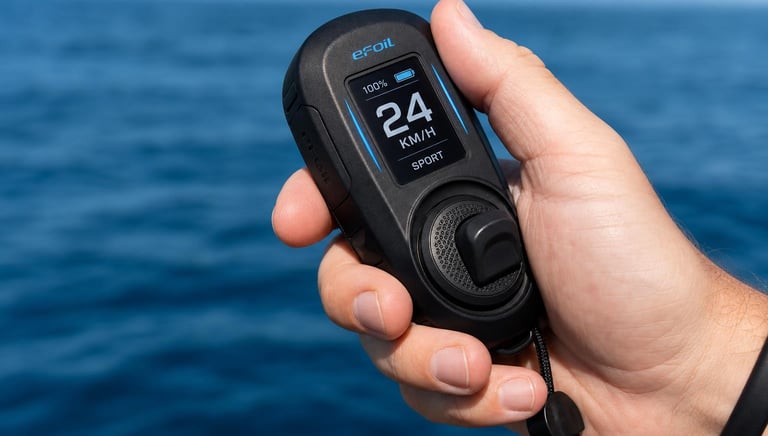
Choosing an eFoil is, in practice, a matter of answering five questions in the right order. Start with how you will use it, end with which brand to buy. Most buyers do this in reverse, and most buyers regret it.
2. How much do you weigh?
Riders under 75 kg can fly almost any wing on the market. Riders 75-100 kg should specify the standard wing for their chosen brand. Riders over 100 kg should insist on the brand's largest cruising wing, regardless of style preference.
3. How long do you want to ride?
Sixty minutes is the entry-level battery promise; ninety is the premium. If you intend to ride for two-hour sessions, plan to buy a second battery — it is the single best aftermarket purchase you can make.
1. Where will you ride?
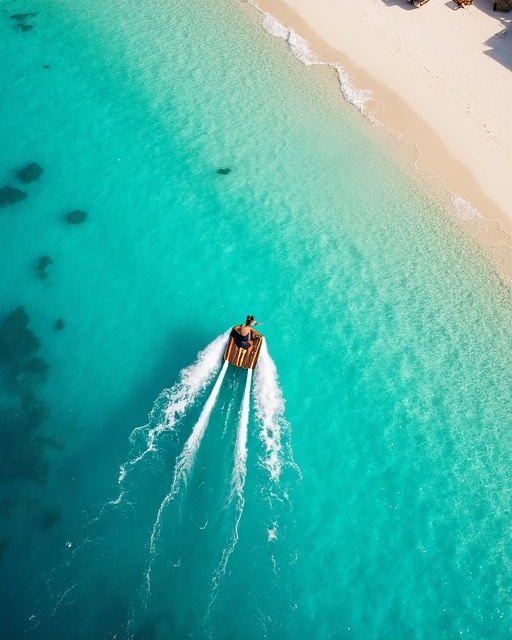
Calm water (lakes, sheltered bays) suits a smaller, faster wing. Open coastal water with regular chop demands a longer mast (85 cm+) and a more stable wing. Charter or transport-heavy use favours a board with a quick-swap battery and a robust travel case.
4. How much will you spend?
Realistic budgets in 2026: €10,500-€12,000 for an excellent entry board, €13,000-€16,000 for the comfortable middle, €16,000-€22,000 for the premium tier. Add €2,500-€3,500 for a second battery, case, and accessories.
5. Which brand?
Lift Foils for the engineering-led owner who wants the most refined ride. Fliteboard for the design-led owner who wants the most refined object. Waydoo for the rational owner who wants the most riding hours per euro. Awake for the connoisseur who values silence and craftsmanship above all.